Choose a yard sign when the message needs to work near a driveway, sidewalk, jobsite or event route. Choose a banner when you have a suitable wall, fence or frame and need a larger message. Choose a window graphic when the storefront glass is already in the customer’s path and the message can share that space with visibility through the window. The right option depends on where people will see it, how it will be supported or installed, how long it must stay up and what should happen when the promotion ends.
| Option | Useful when | Define before quoting |
|---|---|---|
| Yard sign | People approach from a driveway, sidewalk, jobsite entrance or event route | Finished size, quantity, one- or two-sided artwork, viewing direction, stakes or supports and placement permission |
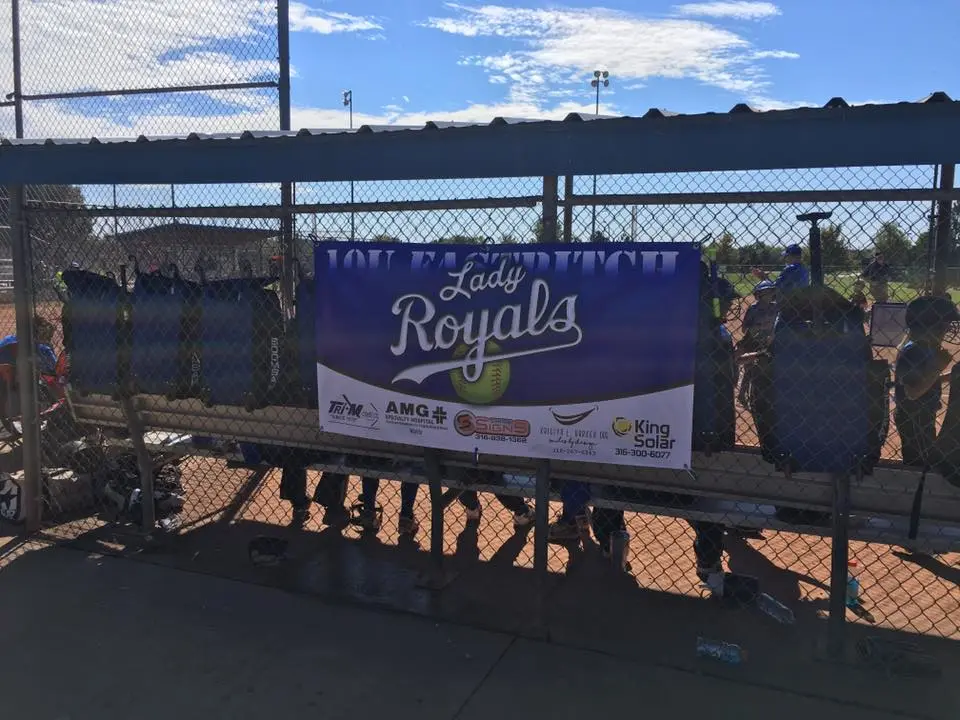
| Banner | A wall, fence or frame can carry a larger message for an event, opening or promotion | Finished size, display surface, mounting method, access, indoor or outdoor use and required in-hand date |
| Window graphic | Storefront glass already faces customer traffic and can carry hours, a promotion, branding or privacy | Pane dimensions, inside and outside photos, existing film, desired coverage, sightlines, installation side and removal plan |
Start with the viewing location, not the product name
Stand where the customer will first see the message. Note whether that person is driving, walking, waiting at an entrance or already inside the business. A sign that works at a checkout counter may carry too much copy for a roadside approach. A large banner may be unnecessary when the best available surface is the door beside the handle.
Write down the one action the sign should support: enter here, visit the event, ask about the offer, call for service or recognize the business. Put that message first. Dates, exclusions, phone numbers and other details should earn their place instead of competing with the main instruction.
Choose yard signs for a route or repeated ground-level message
Yard signs are useful when several placements can guide people through a property, identify a jobsite or repeat one short message. They can also support an event where the approach changes from one driveway or parking area to another. Quantity and viewing direction matter as much as the design.
State whether both sides are visible and whether an arrow changes direction on the reverse. Include the finished size, quantity of each version and the support needed. Confirm property permission and applicable placement rules before ordering; a portable sign still needs an approved place to stand.
- Map each intended placement and viewing direction
- List the quantity for every wording or arrow version
- Specify one- or two-sided printing
- Include stakes, frames or other supports in the request
Choose window graphics when the glass is part of the customer path
Window lettering or printed graphics can use an existing storefront surface for hours, logos, promotions or privacy. First decide which panes may carry the message and which areas must remain clear for visibility, daylight or operations. Photograph the glass from both sides and show doors, frames, handles, existing film and nearby permanent signs.
Window-film specifications and installation steps depend on the glass, film and application. For example, 3M’s current building-window bulletin addresses surface coatings, cleaning, wet and dry application methods, trimming around gaskets and product-specific finishing. A quote should therefore identify the actual panes and existing conditions instead of assuming every window accepts the same material or coverage.
If the promotion will change, identify the date or wording that needs to be replaced. Keeping changeable information distinct from permanent hours or branding may make the next update easier to scope, although the replacement plan still depends on the installed construction and its condition.
Use more than one format only when each has a job
A short campaign can use several sign types without repeating the entire design everywhere. A yard sign might direct traffic, a banner might announce the event and a window graphic might confirm the entrance or hours. Give each piece one purpose and keep the business name, colors and main message consistent.
Build a simple location list before design begins. For each piece, record the message, finished size, quantity, display location, viewing direction and needed date. That prevents a general promotion request from turning into mismatched artwork and incomplete hardware assumptions.
Measure the available area and photograph the surroundings
Provide the width and height of the usable display area, then label each measurement so it cannot be mistaken for the finished graphic size. Include a close photo of the surface and a wider photo from the customer’s approach. For windows, identify individual panes. For a banner, show the entire wall, fence or frame. For yard signs, show the proposed ground area and approach direction.
Photos and approximate dimensions are enough to start many conversations, but they do not replace a confirmed survey when final fit, installation access or site conditions require one. State which measurements are approximate and who will verify them before production.
Plan the end of the promotion before approving the artwork
Give the installation date, the date the message should come down and whether the display will be stored, reused, updated or discarded. If the campaign has a firm event date, work backward from the required in-hand date rather than treating the event date as the production deadline.
Identify who supplies and installs supports, who has access to the site and whether a landlord, property manager or local authority must approve the placement. Keep approval responsibilities with the appropriate owner or authority, and include known requirements in the quote request.
Send one complete short-term-sign brief
A useful request might say: “We need a temporary grand-opening message for a storefront. Customers approach from the parking lot, the available fence section is approximately 8 feet wide, and the entrance has two glass panes. We need the display in hand before setup and will remove it after the promotion.” That is an example brief, not a project claim or material specification.
Endura produces yard signs, banners and window graphics for Wichita-area businesses from its Park City shop. Send the goal, location, photographs, approximate dimensions, quantity, artwork and required date through the quote form. Endura can then help define which format belongs at each location and what must be confirmed before production.
- Main message and customer action
- Display address, indoor or outdoor use and viewing direction
- Photos plus labeled approximate dimensions
- Quantity, versions and one- or two-sided needs
- Mounting, supports, installation and removal responsibilities
- Required in-hand date, display period and reuse plans
- Available logo files and any site approvals