An existing awning may be a recovery candidate when its frame, connections, attachment points and shape are still suitable for the building and intended use. Faded or damaged fabric alone does not answer that question. Before choosing a new cover, document the complete awning and have the existing structure reviewed for corrosion, cracks, bent members, loose hardware, movement, drainage problems and previous repairs. If the frame or mounting needs major work—or the projection, shape or operation should change—a repaired or new system may be the more sensible scope.
| What you see | Likely next step | What still needs confirmation |
|---|---|---|
| Cover is faded, torn or no longer fits the brand; frame appears straight and stable | Request a recovery review | Frame condition, welds, fasteners, wall attachment, dimensions, drainage and compatibility with the new covering |
| Rust, loose hardware, movement, bent members, failed joints or signs that water has pooled | Include repair and structural questions before selecting fabric | Extent of damage, cause, repairability, attachment condition and whether a replacement system is the better scope |
| The business wants a new shape, projection, operation, lighting treatment or mounting location | Compare recovery with a redesigned or new awning | Site dimensions, use goals, code or permit needs, attachment conditions, access and the full installed scope |
Define what “recovering” would reuse
For this decision, recovery means fitting a new covering to an existing frame. It does not automatically include frame repair, new wall anchors, a change in projection, electrical work, removal of concealed damage or a redesign of the complete system. Ask the quote to state exactly which existing parts will remain and which work is included.
Start with the reason for the project. A faded cover, a brand update and a leak or sag may point to different scopes. If the awning no longer provides the shade, entry coverage or storefront presence the business needs, replacing the fabric in the same shape may repeat the wrong solution.
Photograph the complete awning from safe positions
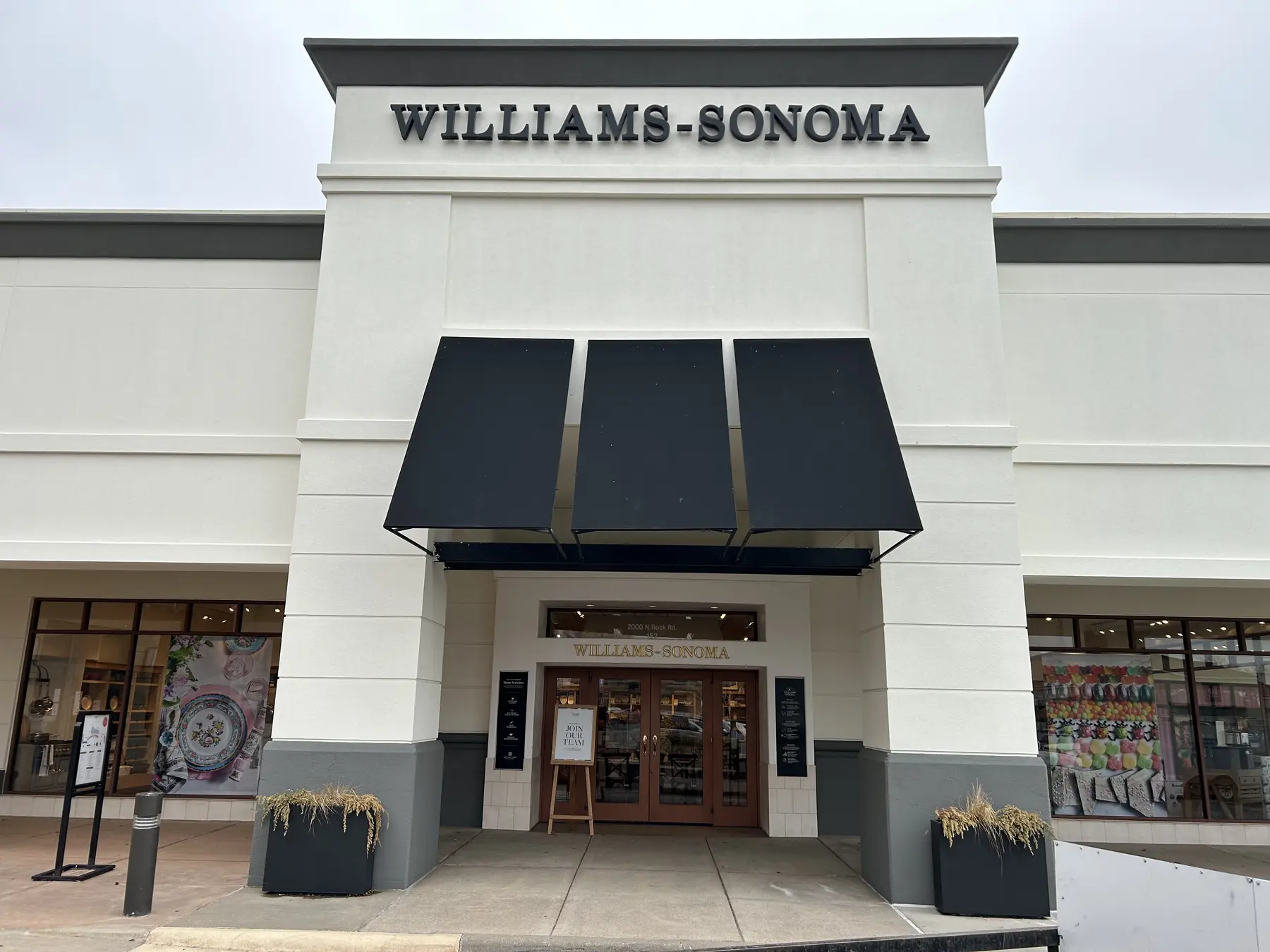
Take a straight-on view, both ends, the underside and a wider photograph showing the awning in relation to doors, windows, signs and the roofline. Add close views of visible stains, tears, sagging areas, corrosion, loose parts and previous patches. Photograph the wall or fascia around each accessible attachment point without climbing or entering an unsafe area.
Photos are useful for scoping and deciding what needs an on-site review, but they cannot confirm concealed anchors, internal corrosion or the condition of a connection hidden by the covering. Label anything that cannot be seen or reached instead of assuming it is sound.
- Full front, both ends and the underside
- A wider building view that shows doors, signs and access
- Close views of damage, staining, sagging, rust and prior repairs
- Photos of accessible brackets, fasteners and wall conditions
Look for frame and attachment questions before choosing color
Visible rust or corrosion, cracked coatings, bent members, open joints, loose or missing fasteners and movement at the building are reasons for closer review. Also note where the covering sags or water appears to collect. The cause may involve the covering, tension, frame shape, drainage or more than one condition.
Trivantage’s current awning-care guide recommends regular inspection, treating frame rust promptly and preventing water accumulation by maintaining proper pitch or tension. Those maintenance points help identify questions for the site visit; they do not establish that a particular frame or wall connection is fit for reuse.
If the awning moves unusually, has visible structural damage or is difficult to reach safely, leave it in place and arrange a professional review. Do not remove the cover just to investigate unless the removal plan and temporary site conditions have been considered.
Record the shape, dimensions and operating type
Provide the approximate overall width, projection from the building and front drop, with units. Show the valance shape and depth, side panels and any lettering or graphics. Mark estimates clearly because final production dimensions and pattern details may require field measurement after the frame condition is understood.
State whether the awning is fixed, retractable or part of another operating shade system. For retractable equipment, identify any manufacturer label you can reach safely and describe the controls, motor, arms and any operating problem. A new fabric cover does not by itself correct worn mechanisms or unsuitable operation.
Separate cleaning needs from recovery needs
Surface dirt or a localized stain does not always mean the covering must be replaced, while cleaning cannot correct a tear, failed seam, loss of fit or an underlying frame problem. Identify what changed and when: appearance, water behavior, tension, damage, graphics or the business identity.
Follow the care instructions for the actual fabric rather than applying one cleaning method to every awning. Sunbrella’s shade-fabric guidance, for example, calls for removing loose dirt, using mild soap and a soft-bristle brush, rinsing thoroughly and air drying; it also explains that some fabric can be cleaned on the frame or removed for professional cleaning. If the material is unknown, confirm it before using cleaners or treatments.
Use the recovery to correct outdated branding deliberately
Send the current logo, approved colors and exact wording if the new cover will carry business identification. Compare the awning with adjacent signs, windows and wall colors so the storefront reads as one system. Identify old phone numbers, names or marks that should not be reproduced from photographs.
If the face is illuminated or contains removable graphics, show those components separately and explain what should remain. Lighting, electrical work and sign requirements should be defined in the scope instead of being assumed from the word “recover.”
Include access, removal and timing in the quote
Show parking, sidewalks, landscaping, overhead lines and other conditions that may affect removal or installation. Note business hours, customer entrances and times when the work area can be controlled. Ask whether the quote includes taking down the old covering, disposing of it, repairing or refinishing the frame, producing the new cover and reinstalling the finished awning.
For a storefront, also identify any event, opening or lease date that affects timing. A site review may reveal repair, permit, engineering or access needs that change the schedule, so distinguish the desired completion date from an approved production date.
Send a quote-ready recovery brief
A useful request can be simple: “We want to know whether the existing fixed fabric awning can be recovered. The cover is faded and sags near one corner. We have wide and close photos, approximate width and projection, current logo files and the date we hope to complete the work. Please identify what requires a site inspection and whether frame repair or removal is included.” That is an example brief, not a description of a customer project.
Endura plans and produces commercial and residential awnings for Wichita-area customers from its Park City shop. Send photos, approximate dimensions, known problems, branding needs, site access and timing through the quote form. The team can then determine what should be inspected before a recovery, repair or replacement scope is proposed.
- Wide, end, underside and close-up photographs
- Approximate width, projection and drop with units
- Fixed or retractable operation and any known problem
- Visible frame, hardware, attachment or drainage concerns
- Current logo, wording, color direction and adjacent sign photos
- Removal, disposal, access, business-hour and deadline details